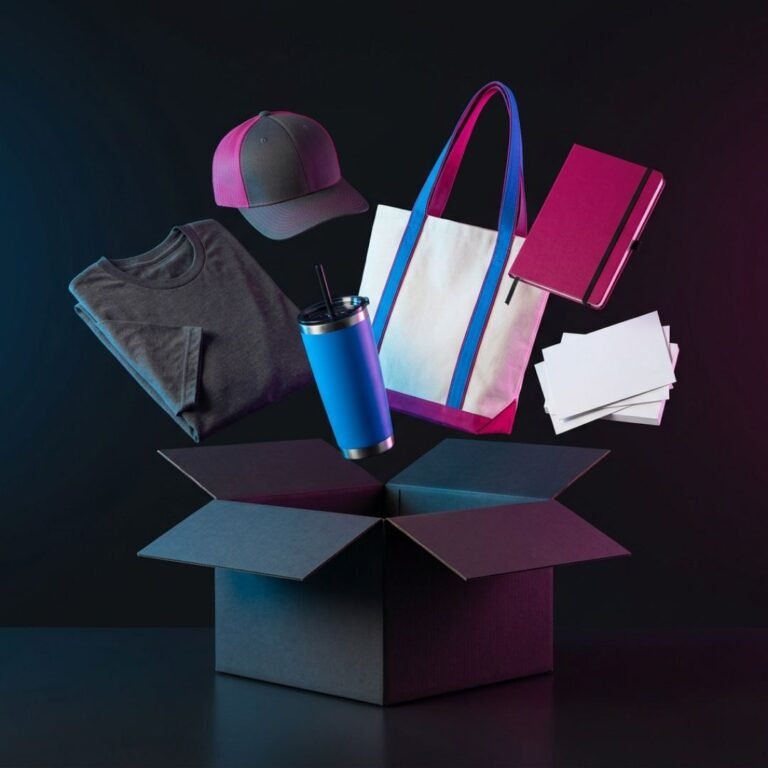

Why Branded Merchandise Belongs in Your Marketing Budget
Most marketing budgets read like a tradition more than a strategy. Digital ads here, a chunk for social, a line for email tools, maybe SEO if someone on the team gets loud about it. Then somewhere down the page, often as an afterthought, sits “promo” or “swag” — a vague allowance for the t-shirts, mugs, and tote bags that show up at events.
That placement is wrong. Branded merchandise is not a leftover line item. It is one of the few marketing channels that earns its keep across awareness, retention, recruiting, and culture all at once. If your budget treats it like a novelty, you are leaving real return on the table.
Here is how to think about it differently — and why the spend deserves a serious seat at the table.
Branded Merch Is the Only “Ad” People Choose to Wear
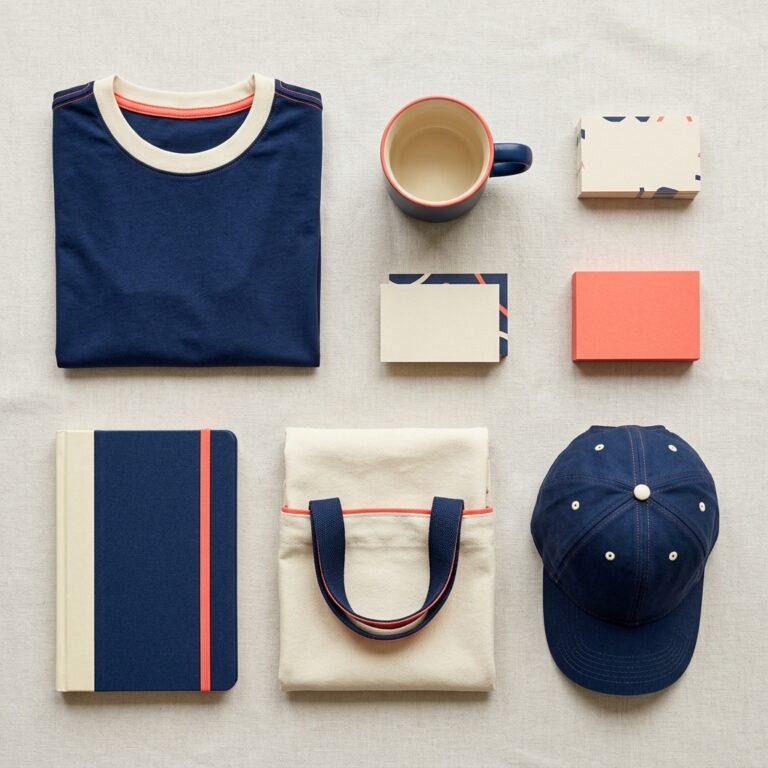
A LinkedIn ad gets two seconds of attention before someone scrolls. A billboard fights for a glance. A great branded hoodie? Someone wears it to the gym, the airport, their kid’s soccer game, and their cousin’s wedding. That is hundreds of impressions per item, delivered with implicit endorsement, from someone who liked your brand enough to put it on their body.
The Advertising Specialty Institute has tracked this for years: promotional products generate impressions at a fraction of the cost-per-impression of digital, print, or broadcast advertising. The numbers vary by category, but a well-designed t-shirt or drinkware piece consistently outperforms a paid social campaign on raw exposure economics — and unlike a paid impression, the recipient keeps it.
That is not a giveaway. That is paid media with compounding interest.
It Closes the Gap Between “Aware” and “Loyal”
Most businesses obsess over the top of the funnel — getting in front of new eyeballs. Branded merchandise punches above its weight at the bottom: turning customers into advocates and one-time buyers into people who feel like part of something.
Think about the last time a brand sent you something physical. A welcome kit. A surprise hoodie after a big purchase. A handwritten note with a sticker. You remember it. You probably told someone about it. Maybe you posted it.
That is retention spend disguised as a gift. And it costs less per touchpoint than a year of remarketing ads chasing the same customer around the internet.
If your marketing budget is heavily weighted toward acquisition, branded merch is one of the cheapest ways to rebalance toward loyalty without rebuilding your whole strategy.
It Multiplies Every Other Channel
Here is the part most budgets miss: branded merchandise does not compete with your other marketing — it amplifies it.
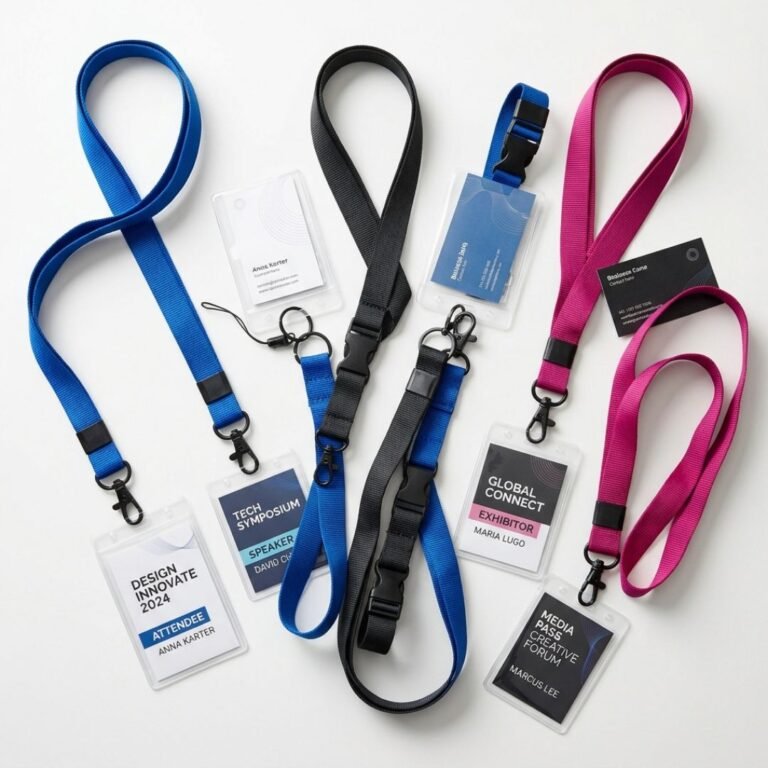
Run a trade show booth? The booth is forgettable; the swag people take home is not. Send a cold email campaign? A follow-up package with branded items lifts response rates dramatically. Launch a referral program? A piece of high-quality merch as the reward turns “give us a referral” into “I want that hoodie.” Sponsor a local event? The shirt your team wears is the photograph everyone takes.
Every channel you already pay for performs better when there is something tactile attached to it. That is the kind of leverage marketing budgets are built to chase.
It Recruits, Retains, and Builds Culture
Promotional products are usually filed under “marketing,” but the smartest companies treat them as part of HR, recruiting, and onboarding too. New hires who get a real welcome kit on day one feel the brand. Employees who actually wear the company hoodie become walking recruiters. A team that takes pride in the merch represents the brand better in every customer interaction.
When you account for the fact that a single line item is fueling acquisition, retention, employee engagement, and recruiting, the ROI math gets a lot more interesting.
How to Budget for It (Without Guessing)
A few practical rules for getting branded merch onto the budget the right way:
Start with five to ten percent of your marketing budget as a working baseline. If branded merch is currently a rounding error, this alone will reset the conversation.
Tie spend to specific use cases — events, customer onboarding, employee recognition, sales follow-up, referrals — instead of a single generic “swag” bucket. Named line items survive budget cuts. Vague ones do not.
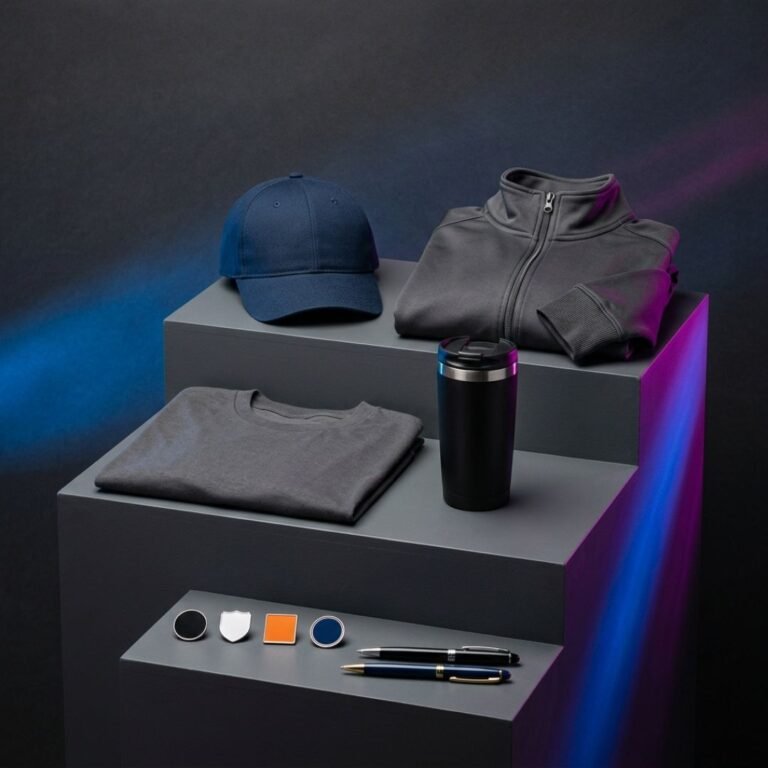
Invest in fewer, better items. Ten high-quality hoodies people wear constantly outperform a hundred cheap pens that hit the trash. Quality is the multiplier.
Track it. Note which items get worn, which get photos posted, which show up in customer conversations. Branded merch is measurable if you decide to measure it.
The Bottom Line
Branded merchandise is not a perk, a gift, or a leftover line item. It is paid media, retention strategy, recruiting tool, and culture-builder rolled into one — at a cost-per-impression most digital channels cannot touch.
If your budget treats it like an afterthought, your brand is showing up that way too.
Want help planning branded merchandise that actually earns its line in the budget? Let’s talk about your next project at amplifiedink.co.