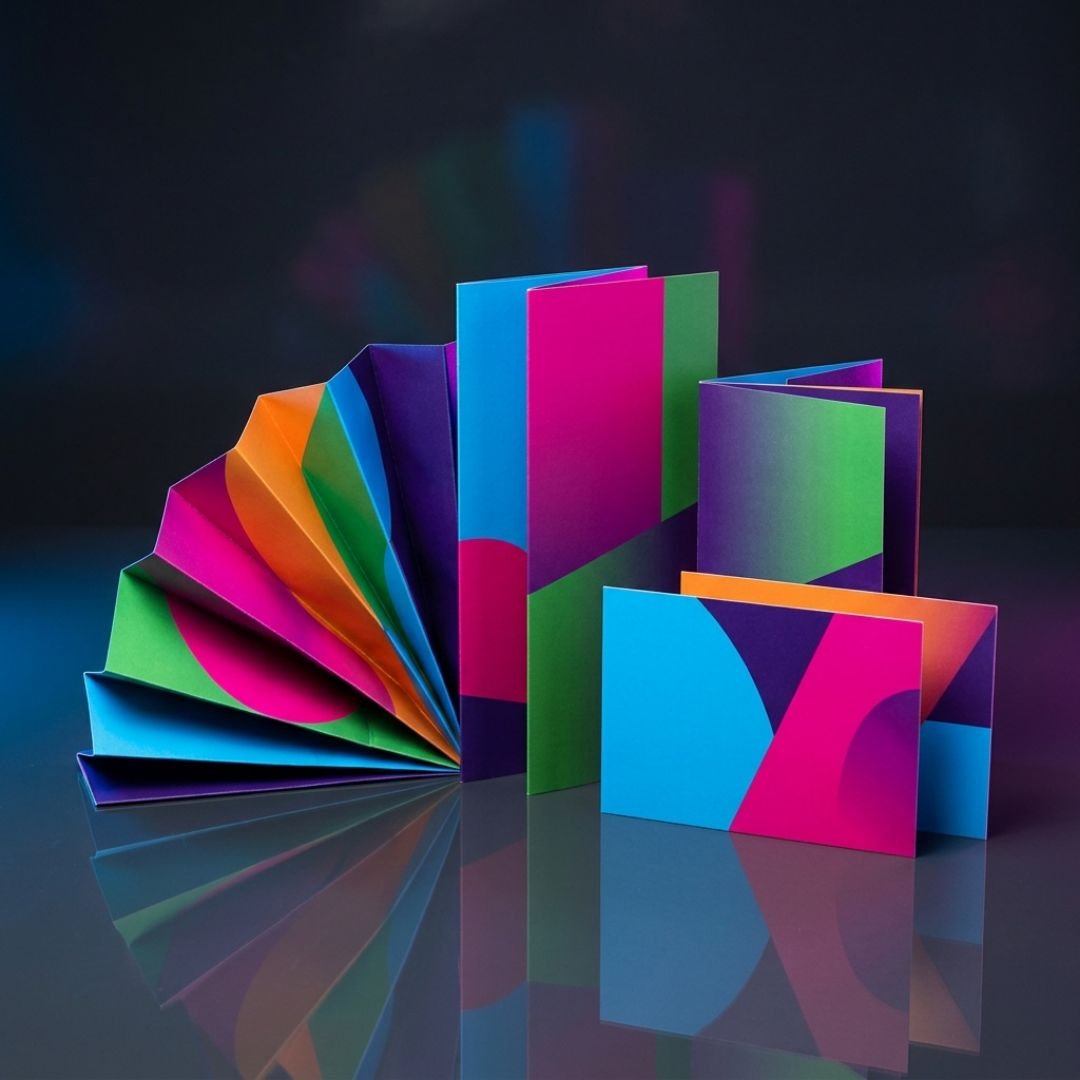
Printed Marketing Materials That Get Kept: Brochures, Postcards, and Leave-Behinds
Everyone says print is dead. Then a prospect walks out of your booth, sets your brochure on their desk, and calls you three weeks later because it was still sitting there. Printed marketing materials are not dead. Forgettable ones are.
The difference comes down to a few choices you control. Here is how to build printed collateral that gets kept, not tossed in the first trash can.
Match the Piece to the Moment
Not every printed piece does the same job. Choosing the wrong format is the most common reason good design ends up in the recycling bin.
Brochures work when someone needs to compare options or explain a service with some depth. Think consultations, trade shows, and sales meetings.
Postcards win on speed. One image, one message, one next step. They are ideal for direct mail, event invitations, and seasonal promotions because the recipient sees the message before they even open anything.
Rack cards are the quiet workhorse for Central Florida businesses. They sit in hotel lobbies, visitor centers, and partner storefronts, so they need to be readable from three feet away.
Leave-behinds are the piece people keep. A well-built one-sheet or folded card that answers “what do you do and how do I reach you” gives a champion inside the company something to forward.
Pick the format first, then design to it. Squeezing a brochure’s worth of copy onto a postcard helps no one.
Give People a Reason to Keep It
Paper gets kept when it is useful. A pretty brochure with nothing to act on is just decoration, and decoration gets thrown away.
Build in something with a shelf life: a seasonal checklist, a reference chart, a QR code that leads to a real resource, or a pricing guide a buyer will need again next month. Even a simple fold that doubles as a bookmark or desk reference extends the life of the piece.
One test works every time. Ask whether a busy owner would have a reason to pull this out again in 30 days. If the answer is no, rework the content before you pay to print it.
Print Quality Is a Brand Signal
Customers judge your business by what they hold. Thin stock, muddy color, and off-center trimming say something about how you run your operation, whether you intend it or not.
Paper weight is the fastest upgrade. Moving from standard stock to a heavier cover stock changes how the piece feels in the hand, and it costs far less than most people expect. Finishes matter too. A matte coating feels modern and writes well, while gloss makes photography pop. A spot gloss on your logo adds a subtle premium touch without raising the price much.
Color accuracy matters just as much. If your brand blue looks navy on one piece and teal on another, buyers notice, even if they cannot say why. Ask your printer for a proof, and give them your brand colors as exact values, not a description. For more on this, our guide to reading a proof before you approve it will save you a reprint.
Make It Match Everything Else
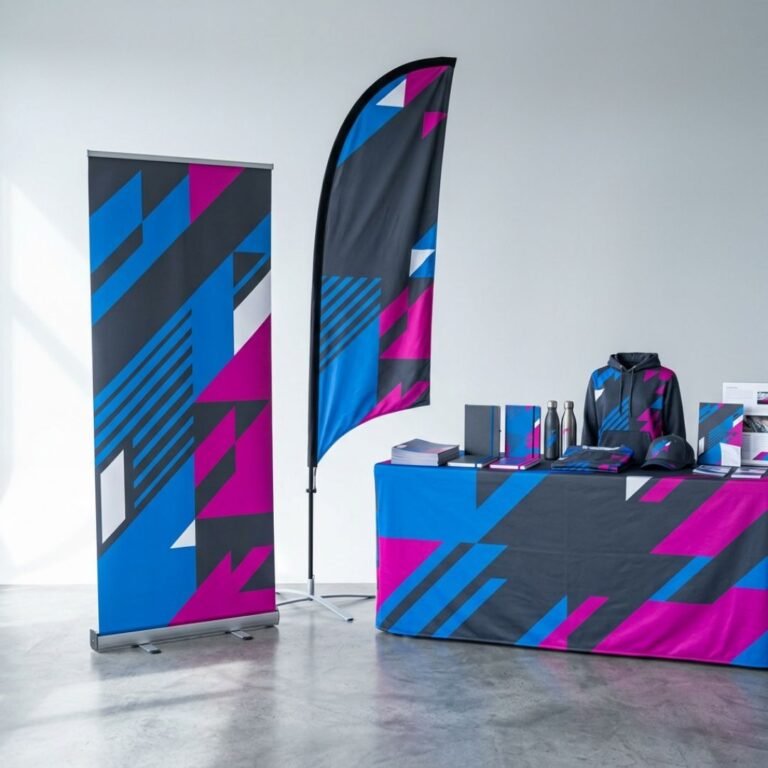
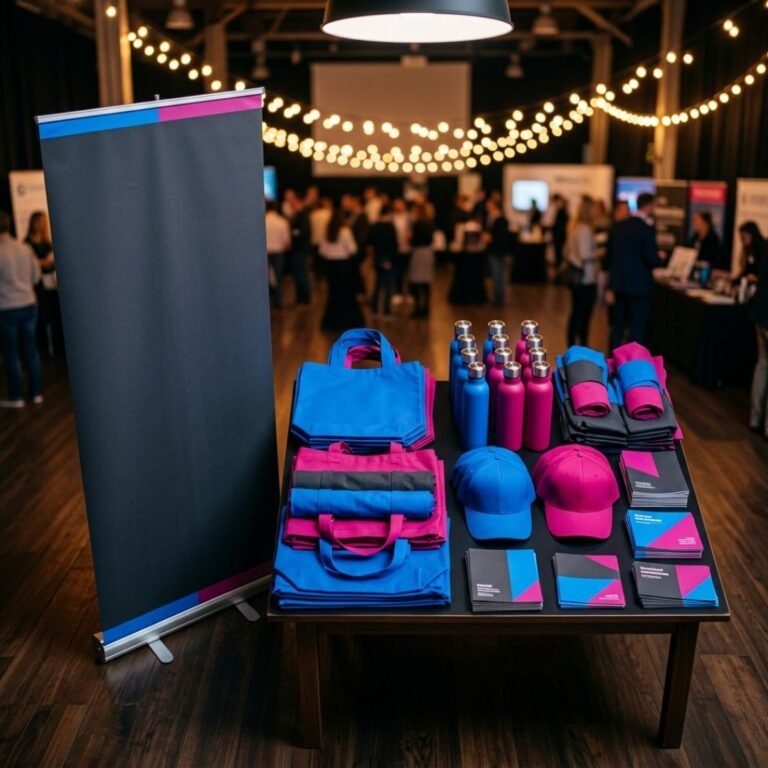
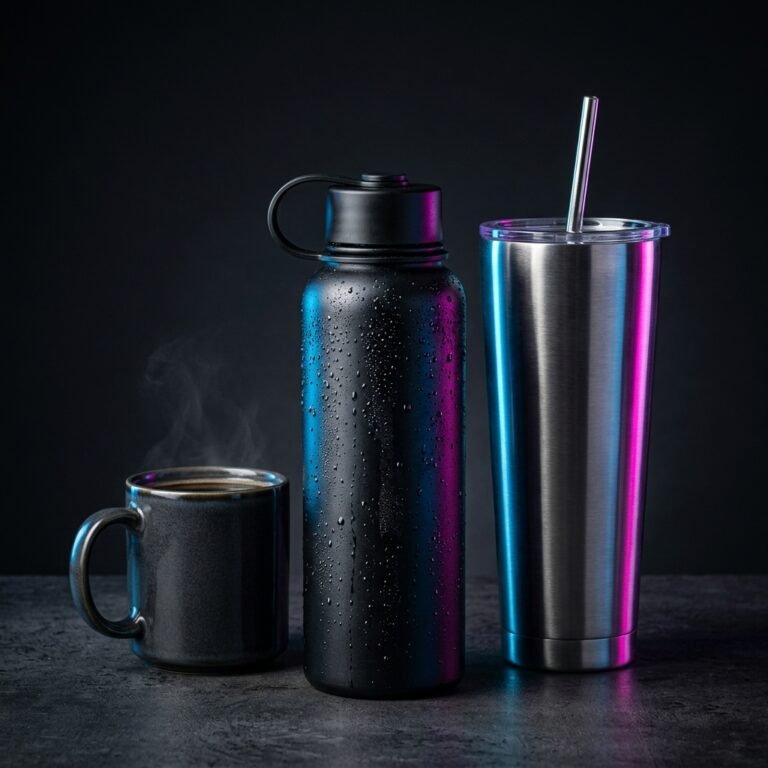
Your printed collateral should look like it belongs in the same family as your website, your apparel, and your promotional products. Same colors, same fonts, same tone of voice, same logo treatment.
When a prospect receives a postcard, visits your site, and later spots your branded tote at an event, each touchpoint should reinforce the last. That repetition is how a small business starts to feel established. Inconsistent pieces do the opposite. They make a company look scattered, and scattered looks risky.
If you are planning your first quarter of 2027 now, this is the right time to audit what you hand out. Pull every printed piece you use and lay them side by side. If they do not look like they came from the same company, you have found your first project.
Plan Quantities Like You Mean It
Print gets cheaper per piece as quantity rises, but a stack of outdated brochures is a bad bargain. Avoid putting dates, staff names, or fast-changing prices on pieces you order in bulk. Keep the evergreen content on paper and send the changing details to a landing page through a QR code.
Order a realistic six-month supply, not a three-year one. You will get the savings of a larger run without the risk of reprinting a mistake you spot after launch.
Print Something Worth Keeping
Great collateral is not about spending more. It is about choosing the right format, giving people a reason to hold on to it, and making sure it looks like your brand every single time.
Ready to build printed pieces that work as hard as you do? Talk to the team at Amplified Ink about brochures, postcards, rack cards, and leave-behinds designed and printed under one roof. Start at amplifiedink.co and let’s make something people keep.