Eco-Friendly Promotional Products: How Sustainable Swag Wins More Business
Ask a procurement manager what they think about branded giveaways today, and sustainability comes up almost as fast as price. Eco-friendly promotional products have moved from a nice-to-have to a genuine buying criterion — clients ask what your tote is made of, vendors get scored on packaging waste, and employees quietly judge you for handing out another plastic pen that’s dead on arrival. If your merch closet hasn’t caught up, you’re not just behind on trend — you’re losing the room before you even open your mouth.
The good news: sustainable swag isn’t a niche category anymore. It’s mainstream, it’s affordable, and it’s genuinely better merch. Here’s how to make the switch without overpaying for a label.
Why Sustainability Is Now a Procurement Requirement
A decade ago, “eco-friendly” was a premium add-on for brands chasing a specific customer base. Today it’s closer to table stakes, especially in B2B. Larger companies increasingly require vendors to disclose material sourcing as part of vendor scorecards, and even small businesses feel the shift when a client casually asks “is this recycled?” at a trade show booth.
That matters because branded merchandise is a trust signal. A cheap plastic item screams short-term thinking. A well-made piece from recycled or responsibly sourced material tells a prospect you plan ahead — about materials, about relationships, about everything. The product becomes proof of how you operate, not just an ad for your logo.
The Eco-Friendly Products Actually Worth Stocking
Not every “green” product is worth the shelf space. Some categories consistently earn their keep:
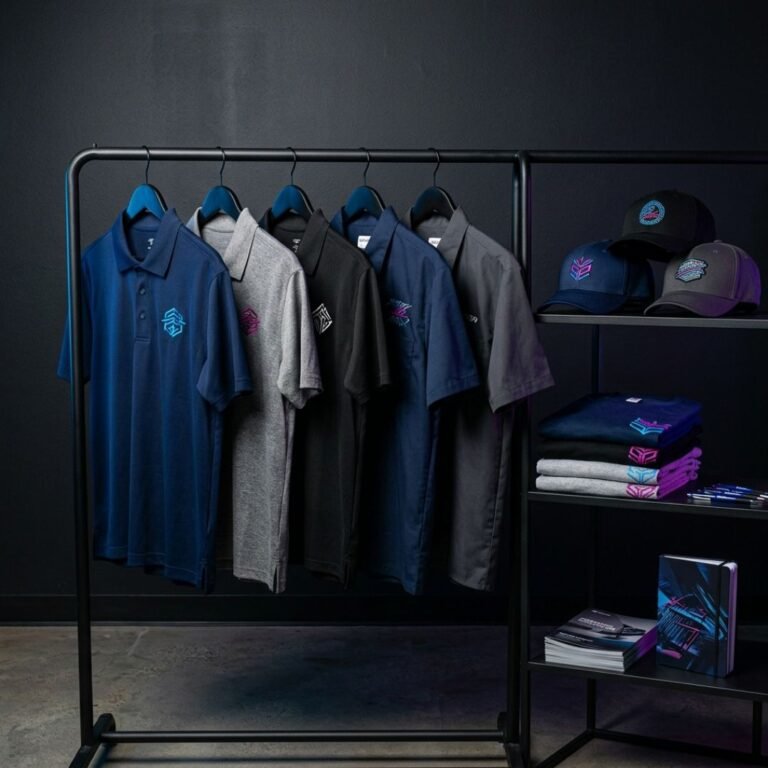
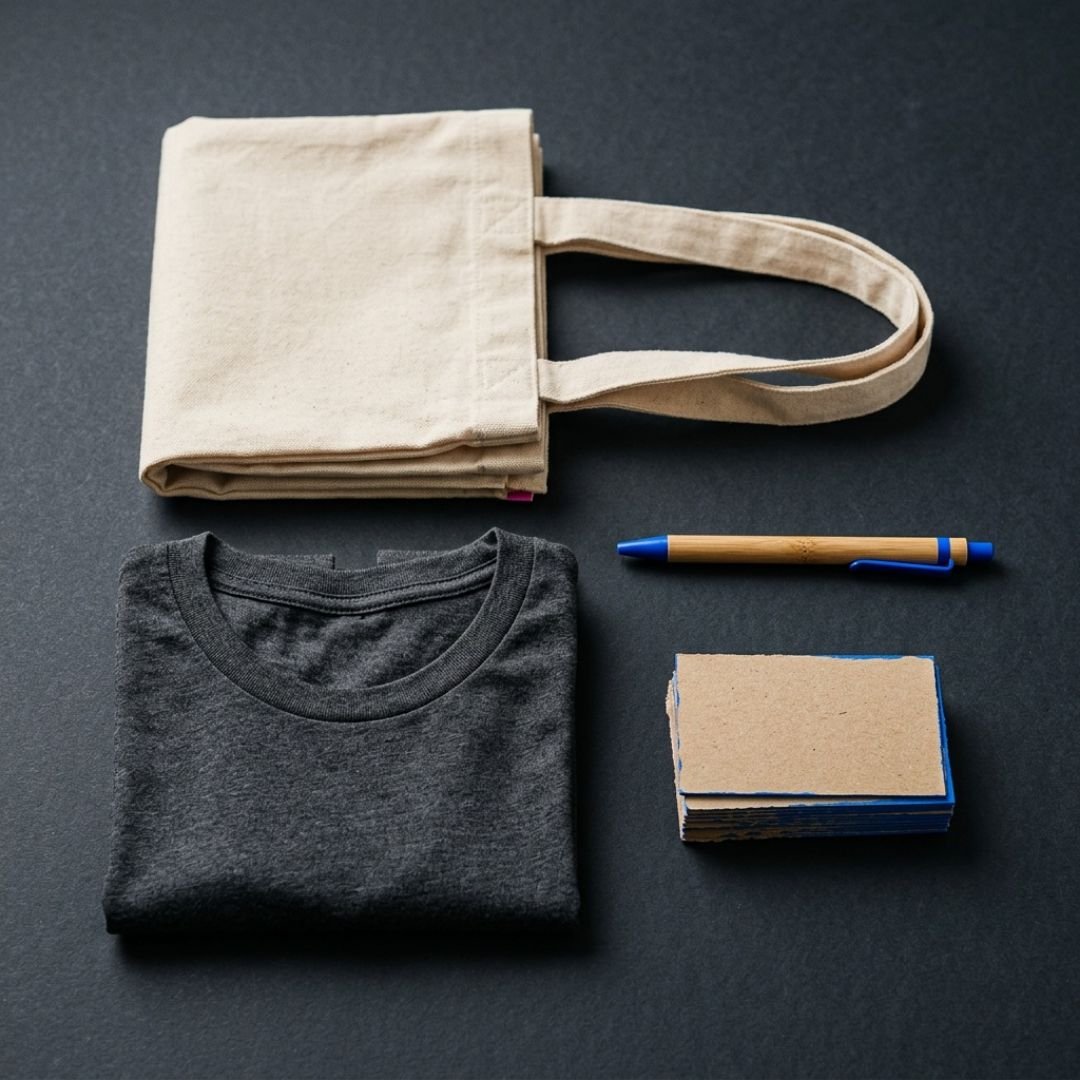
Recycled cotton and organic apparel. Tees and hoodies made from recycled cotton blends or organic cotton hold print and embroidery just as well as standard stock, and buyers can’t tell the difference in hand-feel unless you point it out — which you should, because it’s a selling point.
Recycled and canvas totes. Bags made from recycled PET or heavyweight organic canvas outlast the flimsy non-wovens that show up at every conference, and they’re one of the few promo items people keep using for years.
Bamboo and recycled-plastic writing tools. Pens and stylus tools made from bamboo or post-consumer recycled plastic look and perform like premium items, at a similar cost to standard branded pens.
Seed paper and recycled-stock print. Business cards, postcards, and event handouts on recycled or seed paper turn a throwaway item into something people either keep or plant — either way, it beats the trash can.
Reusable drinkware over single-use. Stainless steel bottles and tumblers replace hundreds of disposable cups over their lifetime, and the “keeps drinks cold for 24 hours” pitch practically writes the giveaway copy for you.
The pattern across all of these: sustainable options today match — or beat — the durability and print quality of conventional stock. You’re rarely trading performance for principle anymore.
How to Talk About Sustainability Without Greenwashing
Here’s where a lot of businesses stumble. Slapping a leaf icon on packaging that’s still shrink-wrapped in single-use plastic does more damage than saying nothing at all. If you’re going to lean into eco-friendly merch, be specific and be honest:
Name the actual material and its source — “made from 80% recycled cotton” beats “eco-conscious” every time. Skip the vague claims your audience can’t verify, and only mention certifications you can back up if someone asks. If part of your line is still conventional stock, that’s fine — just don’t imply the whole catalog is green when it isn’t.
Honesty here builds more credibility than the greenest-sounding buzzword could. Buyers have gotten sharp about spotting a marketing veneer, and a straight answer earns more trust than a polished one.
Where to Start
You don’t need to overhaul your entire merch strategy overnight. Pick one or two categories — apparel and drinkware are the easiest wins — and make the swap for your next order. Ask your printer or supplier for the actual material specs before you commit, and use that detail in your own marketing when you hand the items out.
Sustainable swag isn’t about chasing a trend. It’s about handing out something people are proud to keep using, which is the entire point of branded merchandise in the first place.
Ready to build a merch lineup that holds up to scrutiny and looks sharp doing it? Amplified Ink sources and prints eco-friendly promotional products without the guesswork — reach out and we’ll help you pick the right materials for your next order.