Branded Workwear That Works: How to Build a Uniform Program Your Team Will Actually Wear
Walk into any busy service business on a Tuesday morning and you can tell in about four seconds whether they have a uniform program. The teams that do look like a company. The teams that don’t look like five guys who happened to arrive in the same truck.
Branded workwear is the most underrated line item in a small business marketing budget. It is the only marketing asset that shows up at every job, every delivery, every walk-through, and every gas station stop in between. And unlike an ad, you buy it once and it works for a year or more.
Here is how to build a workwear program that your crew will actually wear and that your customers will actually remember.
Branded Workwear Is the Cheapest Advertising You Already Own
A branded polo on a technician standing in a customer’s kitchen does something no billboard can do. It signals that the person in the house belongs there. Homeowners relax. Property managers take notes. Front-desk staff stop asking who you’re with.
That trust conversion is the real return. The secondary return is reach. A four-person crew working residential routes across Volusia County is seen by hundreds of people a week, most of whom are not your customers yet. Put a clean logo on those shirts and you have turned payroll into impressions.
Start With What Your Crew Actually Does All Day
The fastest way to kill a uniform program is to order something nobody wants to put on. In Central Florida, that usually means picking the wrong fabric.
Think through the actual workday before you pick a garment:
- Outdoor and physical work. Moisture-wicking performance polos and lightweight tees. Skip heavy cotton. It holds sweat and it shows it.
- Customer-facing or indoor service. A soft-touch pique polo or a button-down reads more polished and still survives a wash cycle.
- Shop, warehouse, and trades. Durable work shirts, high-visibility tees where safety requires it, and a canvas or softshell jacket for the six weeks a year Florida pretends to have winter.
- Office and leadership. A quarter-zip or a structured woven shirt so the whole company reads as one brand at different levels.
Ask two or three people on the team to wear samples for a week before you commit to a bulk order. That one step prevents most of the “it’s in my truck somewhere” problem.
Build the Program in Tiers, Not One Giant Order
New business owners tend to place one enormous order, then never reorder because the sizes are wrong and half of it is still in a box. Tiers work better.
Start with a core tier: two or three shirts per person in the primary garment, plus a cap. That is the daily driver. Add a seasonal tier: a jacket or long sleeve in fall, a lighter option in summer. Then add a milestone tier: something nicer for anniversaries, promotions, or a great year. That last tier is where retention lives. People keep the shirt they earned.
Choose the Decoration Method on Purpose
How your logo is applied changes both the look and the lifespan of the garment.
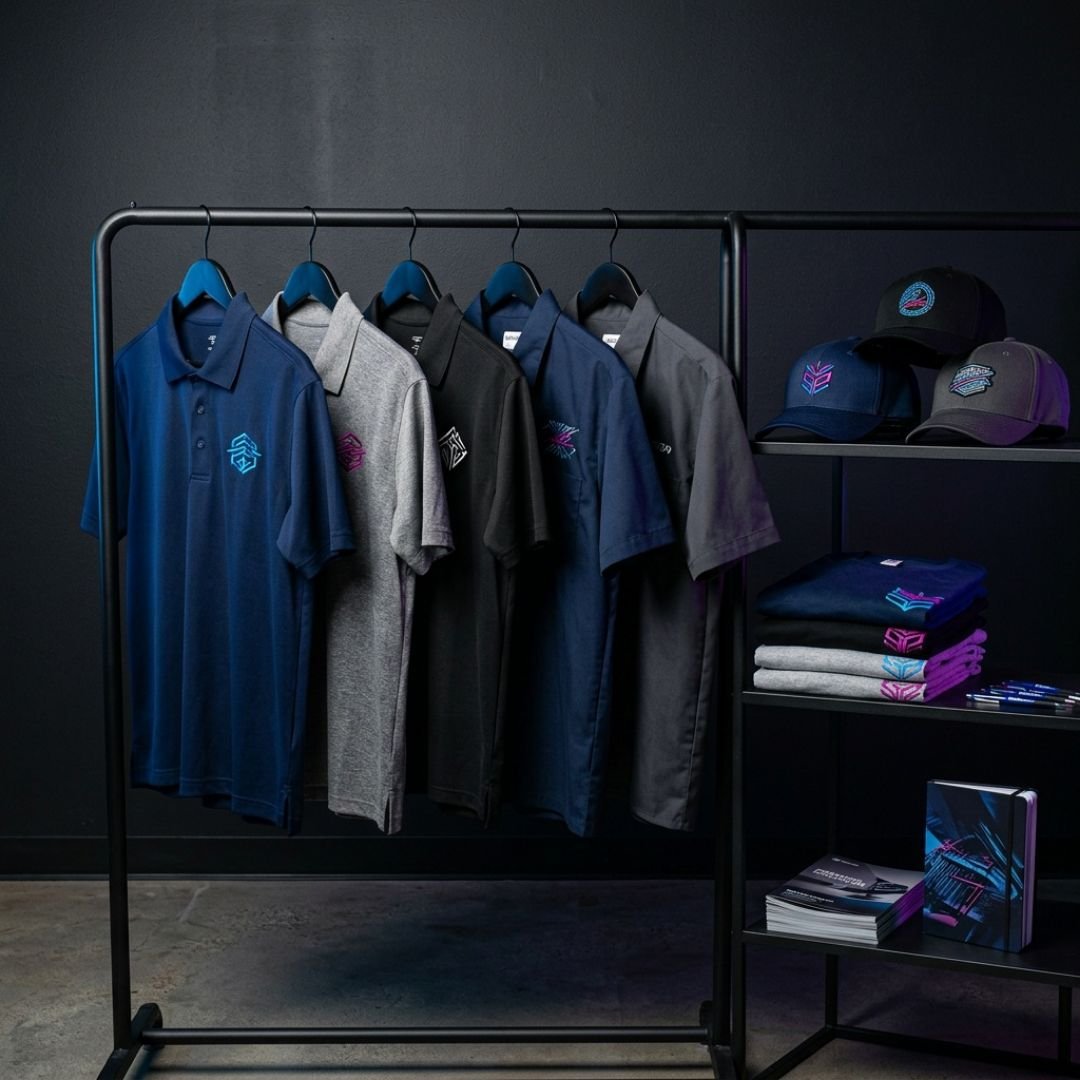
Embroidery is the default for polos, caps, jackets, and anything worn in front of a customer. It reads premium, it survives industrial washing, and it will outlast the shirt. It costs more per piece and it is not the right call for large or highly detailed artwork.
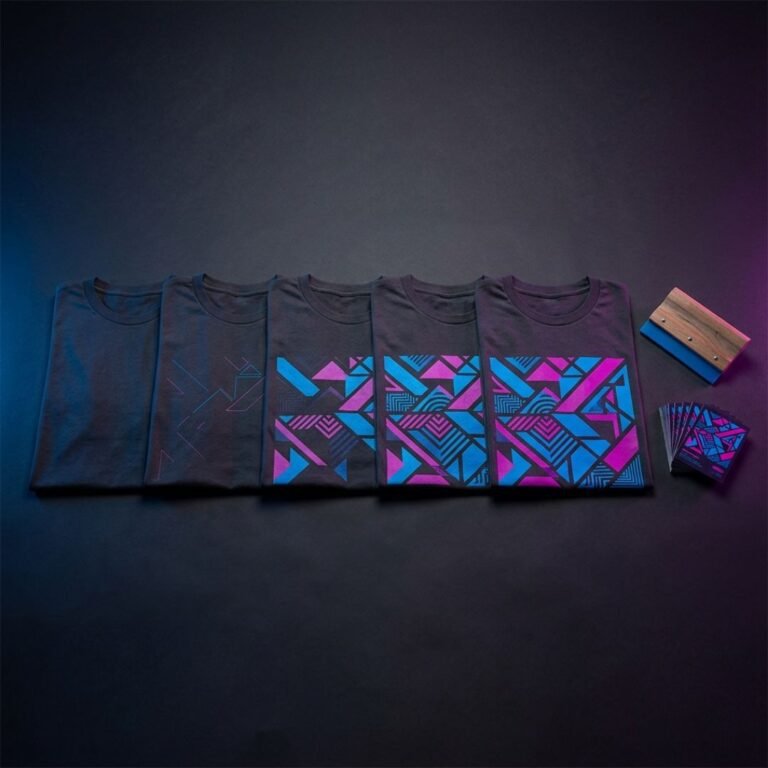
Screen printing is the value play for tees and crew shirts, especially at higher quantities. Big logos, bold colors, and back prints all come out better here, and the per-piece cost drops fast as the count goes up.
Heat transfer and vinyl make sense for small runs, individual names, or numbered pieces. It’s flexible and quick, though it generally will not match embroidery for longevity.
Most solid programs mix all three. Embroidered polos for the customer-facing crew, screen-printed tees for the shop, transfers for names and one-off pieces.
Make Reordering Boring
The programs that survive are the ones that require no thinking. Before your first order ships, do three things.
Lock your artwork. One approved vector file, one approved placement, one approved thread or ink color set. Every future order matches without a discussion.
Build a size sheet. Names, sizes, and garment preferences in one document you update when someone joins or leaves.
Set a reorder trigger. New hire onboarding, a quarterly date, or a minimum stock level in the supply closet. Anything is better than waiting until someone shows up in a competitor’s giveaway shirt.
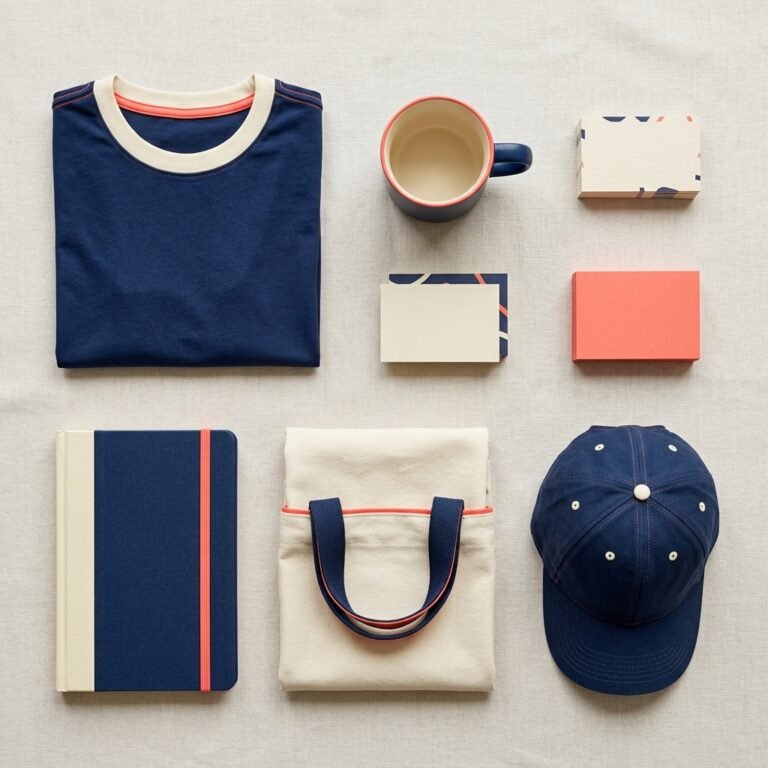
Consistency is what makes a uniform program feel like a brand instead of a pile of shirts. If your workwear, your signage, your vehicle graphics, and your business cards all use the same logo and the same colors, your business looks bigger than it is. That perception is worth real money in a bid.
Ready to Outfit Your Team?
Fall is the right time to get this moving. Lead times stretch heading into Q4, and getting your program locked now means your crew starts the new year looking sharp instead of waiting on a rush order.
Amplified Ink helps Florida businesses build branded workwear programs that fit the actual job, from garment selection and decoration to artwork prep and easy reorders. Visit amplifiedink.co to start your uniform program, and let’s get your team looking like the company you’re building.